Loose dentures can disrupt even the simplest daily routines, making meals and conversations more difficult and less enjoyable. If you’re struggling with uncomfortable or painful dentures, there are steps you can take today to seek relief and regain your quality of life. From understanding why dentures become loose to discovering lasting treatments, navigating your options can set you on the path to greater comfort and confidence.
Many denture wearers experience shifting and slipping over time. This can lead to not only discomfort but also frustration and embarrassment in social and eating situations. Thankfully, both temporary fixes and long-term solutions exist to address the causes and consequences of loose dentures. Speaking with your dental care provider will help you choose the right approach for your needs.
Comprehending why dentures no longer fit as snugly as they once did can guide you toward the most effective remedy. Addressing the source of the problem increases the chances of renewed comfort. Treatment options may range from simple at-home or over-the-counter solutions to advanced procedures performed by dental professionals.
Evaluation by a dentist is crucial, as loose dentures might signal underlying oral changes or health issues that warrant professional attention. In this article, you’ll find guidance on immediate relief options, professional interventions, and preventive care for lasting stability. For more information on the impact of dentures and oral health, the Mayo Clinic provides an extensive overview of denture care.
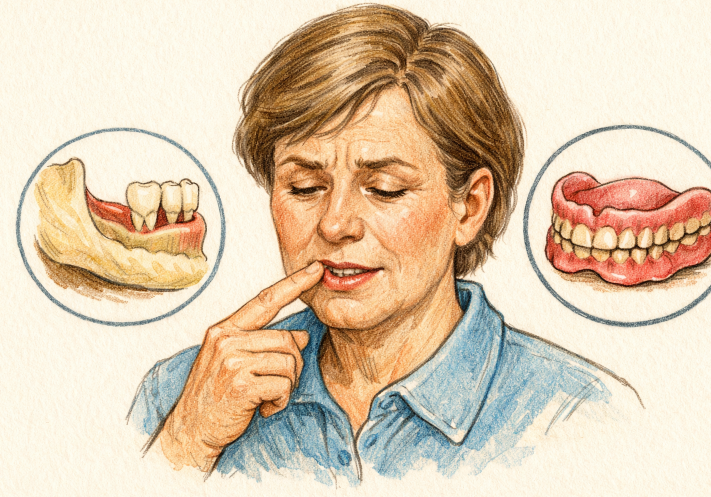
Understanding the Causes of Loose Dentures
There are several primary causes that contribute to dentures feeling loose as time goes by:
- Bone Resorption:Losing natural teeth triggers gradual bone loss in the jaw, known as bone resorption. As the underlying bone narrows and shrinks, dentures may no longer fit securely.
- Wear and Tear:Chewing and speaking put stress on dentures every day. Over months and years, materials can deteriorate and lose the shape that once matched your mouth.
- Improper Cleaning:Using harsh or unsuitable products to clean dentures can cause them to warp, crack, or sustain other types of damage.
Temporary Solutions to Improve Denture Fit
If loose dentures are causing you discomfort, several immediate, short-term fixes could bring some relief:
- Denture Adhesives:Creams, strips, or powders can create a temporary bond that helps keep dentures in position throughout the day. These are available over the counter and offer quick stabilization.
- Reline Kits:Available at most pharmacies, these kits allow you to add a thin layer of soft material inside your denture. While helpful for small fit issues, they are not a replacement for professional adjustments.
Professional Treatments for Long-Term Stability
For more permanent relief, consulting your dentist is best. A dental professional can recommend a range of trusted solutions:
- Relining:This involves adding new material to the interior of the denture, restoring contact with your gums and improving the fit. Soft and hard relines are available depending on your needs and preferences.
- Rebasing:Rebasing replaces the entire acrylic base of the denture, but retains the teeth. This provides increased security and stability if the original base has become worn or misshapen.
- Implant-Supported Dentures:For those seeking maximum stability, dental implants can anchor dentures directly to the jawbone, eliminating slippage and increasing bite force.
The Role of Dental Implants in Securing Dentures
Implant-supported dentures offer an advanced solution for those who struggle with persistent denture looseness. This process involves the surgical placement of titanium posts into the jawbone, which serve as secure foundations for the denture appliance. Major benefits of dental implants include:
- Superior comfort and stability, minimizing denture movement.
- Improved chewing efficiency and ability to enjoy a wider variety of foods.
- Slowing or preventing further bone loss by stimulating the jaw when biting and chewing.
For further background on dental implants and their advantages, the WebMD guide on dental implants offers a helpful overview.
Maintaining Denture Fit and Oral Health
Proper maintenance can go a long way toward maximizing the lifespan and comfort of your dentures. Key tips include:
- Scheduling routine dental visits so your dentist can check the fit and monitor your oral health.
- Adopting a daily cleaning routine to keep dentures free from bacteria and to avoid material deterioration.
- Contacting your dentist at the first sign of discomfort, pain, or fit issues to prevent further complications.
When to Seek Professional Help
If adjusting your dentures at home does not solve the issue, or if you notice persistent mouth sores, pain, or difficulty eating and speaking, it is important to arrange a prompt dental consultation. Your dentist can assess the cause and prescribe the best solution tailored to your current oral condition.
Conclusion
Loose dentures do not have to be an ongoing problem. Whether the answer is a quick adjustment, a professional reline, or implant-supported dentures, today’s dental advances offer real solutions. By seeking timely professional advice and keeping up with regular care, you can protect your oral health and regain the comfort and confidence you deserve.

Denver aerospace engineer trekking in Kathmandu as a freelance science writer. Cass deciphers Mars-rover code, Himalayan spiritual art, and DIY hydroponics for tiny apartments. She brews kombucha at altitude to test flavor physics.
Leave a Reply