In today’s fast-paced and convenience-driven world, household appliances are more essential than ever. These invaluable tools keep daily life running smoothly, yet the time they spend in service has diminished compared to older, more durable models. The shift toward sophisticated electronics and cost-effective materials means appliances can wear out more quickly. Still, with forward-thinking maintenance and intentional consumer choices, it is possible to enjoy lasting performance and reliability. If replacement parts or specialized upkeep are needed, homeowners can easily find solutions. Embracing these practices benefits both households and the planet.
The difference in longevity between contemporary and past appliances is striking. While older washing machines or refrigerators might have been handed down through generations, current models are sometimes plagued by breakdowns only a few years after purchase. However, users are not powerless in the face of shorter appliance lifespans. Proactive habits and some technological support can be instrumental in prolonging household investments. This commitment to durable appliances aligns with global efforts to reduce electronic waste, underscoring the value of sustainable living and responsible consumption. By prioritizing regular care and making mindful decisions when buying or repairing, families protect both their budgets and the environment.
Understanding the Decline in Appliance Longevity
Modern appliances are often celebrated for their efficiency and cutting-edge features, but fall short of the long-term durability once expected of household machines. This change reflects manufacturers’ choices around materials, including lightweight plastics and thinner metals, as well as more intricate electronic systems prone to malfunctions. For example, data shows that nearly 30% of contemporary refrigerators need repairs within their first five years of use. This reality highlights how critical it is for consumers to stay vigilant with maintenance and advocate for robust product design.
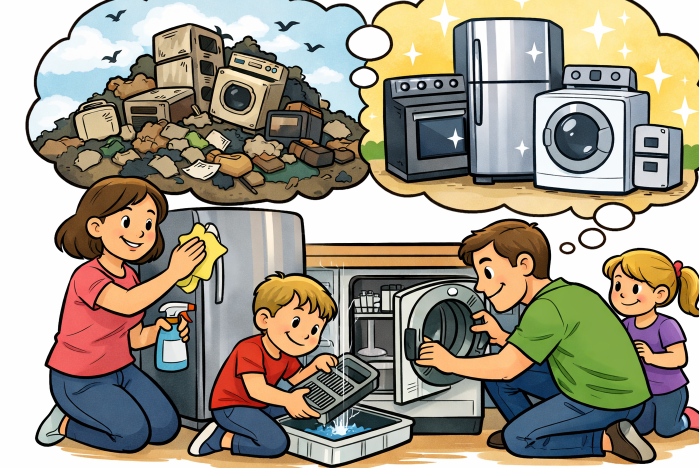
Proactive Maintenance: A Cornerstone of Longevity
The easiest and most effective way to keep appliances running for years is a commitment to regular upkeep. Maintenance routines are often simple, such as:
- Clean Filters Regularly:Appliances like dryers and dishwashers rely on clean filters to prevent overworking motors or pumps, which can lead to costly breakdowns if ignored.
- Avoid Overloading:Overfilling washing machines and dishwashers can prematurely stress key components and shorten their useful lives.
- Ensure Proper Ventilation:Providing adequate space behind refrigerators or ovens ensures motors and compressors operate efficiently without overheating.
Incorporating these straightforward habits can help homeowners avoid frequent repairs, cut costs, and maximize the value of their appliances.
Technological Innovations Enhancing Durability
Appliance manufacturers increasingly address durability concerns through advanced design and user-focused technology. Companies like LG have introduced upgradeable models that accept new software or hardware over time. This approach supports longer appliance life by enabling customers to meet changing needs without replacing the entire product. Such innovations not only extend the functional life of appliances but also promote more sustainable consumer habits by reducing waste and conserving resources.
The Role of ‘Right to Repair’ Movements
Legislation centered on the ‘Right to Repair’ is shifting the way consumers and manufacturers approach appliance longevity. These initiatives require companies to provide parts and repair documentation, making fixes more accessible and affordable. Such policies aim to combat the cycle of planned obsolescence, which drives unnecessary replacement purchases. Encouraging repair over replacement not only benefits consumers but also supports efforts to limit electronic waste and resource depletion. According to Consumer Reports, these changes mark a significant step toward greater product transparency and sustainability.
Making Informed Purchasing Decisions
Consumers hold significant influence over appliance longevity with their purchasing decisions. When selecting new appliances, a few guidelines promote long-term satisfaction:
- Energy Efficiency:Choosing appliances with high energy ratings not only reduces utility bills but also signals advanced engineering and reliability.
- Warranty and Support:Manufacturers that offer extended warranties and responsive customer service are more likely to stand behind well-built products.
- Repairability:Opting for appliances designed for simple repairs and with readily available spare parts reduces the likelihood of early obsolescence and gives owners peace of mind.
Informed choices during the buying process pave the way for fewer malfunctions, more manageable maintenance, and substantial long-term savings.
Conclusion
Ensuring that appliances last as long as possible requires an integrated strategy that brings together consumers, manufacturers, and policymakers. By adopting proactive maintenance habits, supporting right-to-repair policies, taking advantage of technological innovations, and being discerning shoppers, homeowners can enjoy appliances that provide years of reliable service. This commitment also helps protect our environment and contributes to a more sustainable future for all.
Resources:
- https://www.nytimes.com/wirecutter/reviews/modern-appliances-short-lifespan/
- https://samsungparts.com/
- https://www.consumer.org.nz/about-us/media-releases/consumer-nz-reveals-how-long-your-appliances-should-last

Denver aerospace engineer trekking in Kathmandu as a freelance science writer. Cass deciphers Mars-rover code, Himalayan spiritual art, and DIY hydroponics for tiny apartments. She brews kombucha at altitude to test flavor physics.
Leave a Reply