Color isn’t just about aesthetics; it is a powerful tool that influences mood, perception, and even behavior. By understanding the principles of color psychology, you can create interiors that not only look appealing but also support your well-being and enhance the overall function of each room. When planning your interior transformation, you can also consult with professionals for expert guidance by exploring services like https://www.batespainting.com/services/interior-painting/.
Colors are more than simple design elements. They shape the ambiance of our spaces, help define the purpose of each room, and can even impact how we feel day-to-day. By learning how particular hues create specific emotional effects, you can tailor your home’s atmosphere to better fit your needs and lifestyle. This is where strategic color selection becomes a crucial aspect of interior design success.
Effective color choices not only evoke desired emotions but can also enhance the functionality of your home. For example, calming shades aid relaxation in the bedroom, while vibrant colors can energize a kitchen or creative workspace. Staying aware of both timeless color principles and current design trends equips you to make informed decisions during your next home makeover.
The Emotional Impact of Colors
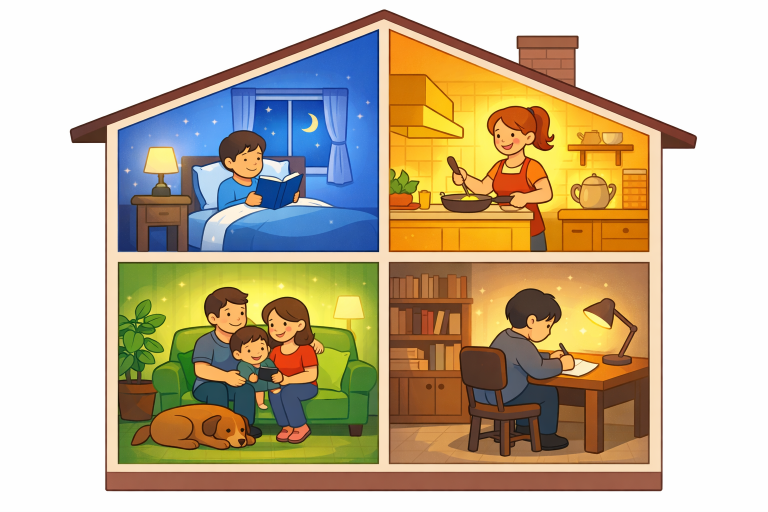
Every color carries a unique psychological influence. By aligning the color palette with the purpose of each room, you can create spaces that feel both cohesive and supportive. Here are some common associations:
- Blue: Known for evoking calmness and improving focus, making it a leading choice for bedrooms or home offices.
- Green: Symbolizes harmony and renewal, making it ideal for living rooms or kitchens to foster balance and freshness.
- Yellow: Associated with energy and happiness, it works particularly well in kitchens and dining areas, supporting lively gatherings.
- Red: Promotes excitement and passion, best reserved for accents in social spaces where stimulation is welcome.
- Neutral tones: Serve as a flexible backdrop, giving prominence to focal elements and accommodating any design style.
Selecting colors based on these psychological traits ensures your interior design choices are more than just visually attractive; they become foundational to your home’s livability.
Current Color Trends in Interior Design
Modern interior design trends reveal an embrace of both bold colors and soothing neutrals. Vibrant shades such as raspberry pink and pomegranate red are being used to infuse a sense of energy, personality, and warmth. These statement hues are celebrated in contemporary settings for their capacity to add playful luxury and draw the eye to specific features within a room. For instance, raspberry pink is now featured in living room accessories and bedroom textiles for a touch of modern glamour.
Not every space is suited to high-intensity shades. For those seeking tranquility, trendsetters are turning to “peige,” a gentle fusion of pink and beige. This color offers a soft, grounded alternative to traditional neutrals, reflecting natural influences and inviting a serene feel. Echoing the movement toward sustainable, comforting interiors, peige is now a favorite for layering in bedrooms, bathrooms, and cozy corners throughout the home. These neutrals help set a calm base for integrating bolder colors as accents.
Applying Color Psychology in Your Home
Effectively using color psychology begins with understanding the role each room plays in your daily life. Here are key steps to integrate color thoughtfully throughout your home:
- Define the Room’s Purpose: Be clear about the primary use of each space before making color decisions. Focus on boosting productivity for workspaces, calm for bedrooms, and social energy for living areas.
- Consider Natural Light: The amount and direction of natural light should inform your palette. Bright, sunlit rooms can absorb deeper tones, while dim areas come to life with lighter, reflective shades.
- Test Before You Commit: Always sample paint colors on your walls, observing them at different times of day and under varying lighting conditions. This helps you see how colors shift and ensures satisfaction with your selection.
- Balance Bold with Neutral: Prevent overwhelm by pairing vivid hues with neutral backdrops. This allows for playful accents while maintaining overall harmony and comfort.
- Reflect Personal Preferences: While psychology and trends are useful, personal taste is essential. Select shades that resonate with your own sense of style for a truly personalized home.
Conclusion
Approaching interior design through the lens of color psychology allows you to curate rooms that are as functional as they are beautiful. From leveraging bold hues to energize shared spaces to calming neutrals that create retreats for relaxation, every color choice shapes your daily experience. With thoughtful consideration, your home can become a haven that inspires, comforts, and supports you throughout every season of life.

Denver aerospace engineer trekking in Kathmandu as a freelance science writer. Cass deciphers Mars-rover code, Himalayan spiritual art, and DIY hydroponics for tiny apartments. She brews kombucha at altitude to test flavor physics.