The allure of the Maine Coon is undeniable: a grand, rectangular frame, tufted ears that hint at a wild lineage, a luxurious coat, and a personality so affectionate it’s often described as “dog-like.” In a state as vast and varied as Texas, discerning cat lovers have plenty of choices—but also plenty to consider—when seeking a responsibly bred Maine Coon kitten. Understanding what distinguishes an ethical cattery from a casual seller can make the difference between bringing home a thriving companion and facing preventable health or temperament challenges. From Dallas–Fort Worth to Austin, Houston, San Antonio, and the Hill Country, this guide explains how to evaluate Maine Coon breeders in Texas through the lens of health, heritage, and home life.
Whether you dream of a classic brown tabby with a dramatic ruff or a silver, blue, or red-coated beauty, the right breeder is the foundation of a lifetime bond. Below, explore the standards that matter—health testing protocols, pedigree transparency, socialization practices, and buyer support—so you can adopt with clarity and peace of mind.
What Sets Top Texas Maine Coon Breeders Apart: Health, Heritage, and Temperament
Reputable Maine Coon breeders in Texas prioritize health above all else. True breed stewardship means proactive screening for conditions known to affect the breed. Look for catteries that perform DNA testing for HCM1, SMA, and PKDef, pair that with cardiologist-reviewed echocardiograms for hypertrophic cardiomyopathy risk, and conduct hip evaluations to monitor for dysplasia. Transparency is key: ethical programs are happy to discuss results, show proof, and explain how these screenings inform their pairing decisions. This attention to detail helps produce kittens with robust hearts, sound structure, and the stamina the breed is celebrated for.
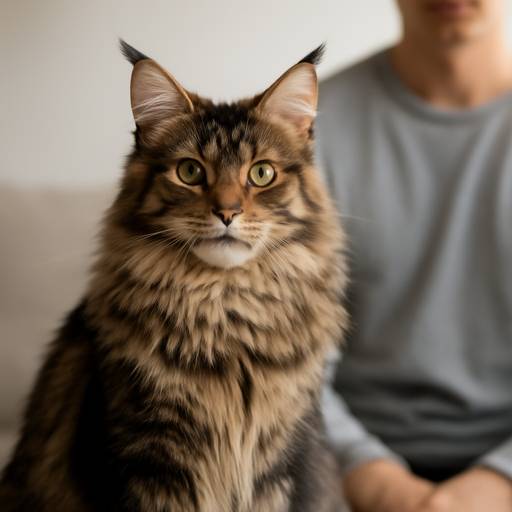
Heritage also matters. Many standout Texas programs draw from European show and champion lines chosen for type, structure, and coat quality. These pedigrees often reflect the classic look: a powerful muzzle, strong chin, high ear set with lynx tips, and a balanced, rectangular frame. Expect registration with major associations like TICA or CFA, and sometimes alignment with international benchmarks such as FIFe standards. Registration alone isn’t a guarantee of quality, but it does signal that a breeder is committed to recognized breed guidelines and traceable lineage.
Temperament is the third pillar. A Maine Coon’s charm shines when kittens are raised in a home environment—hearing vacuums, meeting visitors, navigating play structures, and learning household rhythms. Breeders who keep kittens in family spaces, introduce them to age-appropriate stimuli, and use structured socialization often produce cats who are confident, affectionate, and resilient. In Texas, responsible catteries typically keep kittens until at least 12–14 weeks, allowing ample time for social development, veterinarian checks, first vaccines, microchipping, and litter and scratch-post training. This early investment helps your future companion transition smoothly into life in Houston high-rises, suburban homes in Frisco or The Woodlands, or quiet retreats in the Hill Country.
Ethical breeders commit to limited, carefully planned litters—not volume. They match homes thoughtfully, discuss lifestyle fit, and provide lifetime support. You should receive a written contract outlining health guarantees, spay/neuter requirements (unless breeding rights are explicitly granted), and what the breeder will do if unforeseen issues arise. When health, heritage, and temperament are prioritized together, you’re far more likely to welcome a cat who embodies the best of the breed: gentle, engaging, social, and gloriously majestic.
How to Choose a Responsible Breeder in Texas: A Practical, Real-World Checklist
Start with conversation. Ethical breeders welcome questions and provide detailed, consistent answers. Ask about their health testing regimen, and request to see results from DNA panels, cardiologist echocardiograms, and hip evaluations. Inquire about vaccination schedules, parasite prevention, nutrition, and how kittens are socialized in the home. Ask which breed standard they follow and how they interpret ideal type and structure. A confident, experienced breeder explains not just what they do, but why they do it.
Next, consider access and transparency. Many Texas catteries invite potential owners for scheduled visits or offer virtual meet-and-greets when travel isn’t feasible. A respectful, safety-minded policy—especially in homes with young litters—is normal. You should see clean, enriched spaces with climbing trees, safe toys, scratching posts, and calm, engaged adult cats. Kittens should be bright-eyed, curious, and comfortable with gentle handling. Avoid sellers who refuse to show you the living environment or rush you toward a deposit without answering foundational questions.
Review the contract. Look for a clear health guarantee, veterinarian records, microchip documentation, and registration paperwork with TICA or CFA. Responsible catteries in Texas usually outline how they place kittens—via a waitlist, temperament matching, and staged selection as personalities emerge. They will discuss pet-only placements versus show or breeding prospects, and what they expect from owners in terms of veterinary care, nutrition, and indoor safety. Pricing should be transparent, with a deposit and balance structure that makes sense and no pressure tactics to “buy today.”
Beware of red flags: sellers offering very young kittens, unwillingness to provide health records, no contract, deeply discounted prices, or a high volume of litters year-round. Social media can showcase kittens, but it should not replace credibility. Word of mouth, veterinary references, and breed club affiliations are strong signals. If you’re comparing Maine coon breeders Texas options across regions like Dallas–Fort Worth, Austin, and San Antonio, notice consistencies. The most reliable programs share a common thread—meticulous health protocols, thoughtful communication, and a genuine focus on long-term care and support for both kittens and families.
Bringing Home a Texas-Born Maine Coon: Preparation, Climate Considerations, and Seamless Integration
Preparing your home sets the stage for an easy transition. Create a quiet starter space with a covered bed, litter box, scratcher, and food and water stations. Gradually expand access as your kitten gains confidence. Maine Coons thrive on vertical territory, so invest in sturdy cat trees and shelves that accommodate their size. Enrichment is essential: wand toys, puzzle feeders, tunnels, and soft balls keep their athletic bodies and sharp minds engaged. Establish grooming early—comb the coat two to three times weekly, check ears, trim nails, and introduce a routine dental plan. Positive reinforcement makes grooming a bonding ritual rather than a chore.
Texas climate calls for extra care. High heat and humidity in coastal areas like Houston and the Gulf Coast require reliable air conditioning, hydration, and shade for sunlit lounging spots. For road trips between Austin and Dallas or pickups in San Antonio, plan travel during cooler hours, provide a well-ventilated carrier, and avoid prolonged parking. Many breeders prefer in-cabin flights over cargo—especially during summer—and some recommend trusted ground couriers for comfort and safety. These logistics may seem small, but they reflect the same attention to well-being that defines excellent breeding programs.
Nutrition underpins growth and joint health for this large, slow-to-mature breed. Kittens benefit from high-quality, protein-forward diets; discuss options with your veterinarian and breeder, including wet food for hydration and carefully considered dry or freeze-dried components. Monitor body condition—Maine Coons should feel muscular and athletic, not padded. Overfeeding during growth can stress joints; a steady, measured approach is best. Access to fresh water via fountains encourages hydration in warm Texas months.
Real-world examples illustrate how a conscientious start pays off. In Dallas, a family integrated a confident, well-socialized kitten with a resident dog using a slow, scent-first introduction and daily, reward-based sessions. Within two weeks, the pair shared windowsill perches and coordinated play. In Houston, a longhaired silver tabby acclimated beautifully after her owners implemented a humidity-aware grooming plan—light, frequent combing and a de-shedding session every other week—to prevent matting. In Austin’s active, tech-friendly households, puzzle feeders helped curb nighttime zoomies while keeping a bright young mind engaged. These scenarios share a common denominator: guidance from a breeder who understands the breed’s needs and offers ongoing support.
Finally, think long-term. The best Texas breeders remain partners after pickup, answering questions about coat care, litter transitions, and adolescent behavior. They celebrate milestones, offer advice, and appreciate updates. That relationship—rooted in ethics, expertise, and love for the breed—is what turns a smooth adoption into a lifetime of joy with an extraordinary companion who embodies the Maine Coon’s legendary heart.

Denver aerospace engineer trekking in Kathmandu as a freelance science writer. Cass deciphers Mars-rover code, Himalayan spiritual art, and DIY hydroponics for tiny apartments. She brews kombucha at altitude to test flavor physics.