Fairfax, Virginia, is undergoing a transformative phase of property development as the community leans into innovative, sustainable approaches. Local leaders and developers understand that responsible growth can protect the environment while also fostering a thriving economy. If you are looking to navigate these changes or invest in property development in Fairfax, VA, recognizing the key sustainable practices can give you a practical advantage in this evolving market.
In Fairfax, sustainability means more than energy efficiency. It incorporates community well-being, resilience, and thoughtful engagement to support a brighter future for all residents. As public awareness grows and regulations evolve, adopting green initiatives is becoming standard practice across residential, commercial, and public spaces.
These changes are not driven solely by developers. Residents, local businesses, and policymakers are also shaping Fairfax’s vision as a model for responsible urban and suburban development. The region’s commitment aligns with broader national and global sustainability goals.
The Importance of Sustainable Development
Sustainable development is essential to balancing rapid growth with environmental stewardship in Fairfax. As more properties are developed, there is increasing pressure on natural resources, green spaces, and existing infrastructure. By adopting sustainable principles, developers and planners aim to reduce the ecological footprint of new construction. This approach preserves Fairfax’s natural beauty and helps ensure future generations have access to clean air, water, and outdoor spaces. Sustainable projects are also proven to attract investment, increase property values, and appeal to environmentally conscious residents and businesses.
Recent Sustainable Projects in Fairfax
The landscape of Fairfax boasts several standout projects that demonstrate the city’s commitment to innovation without sacrificing ecological responsibility:
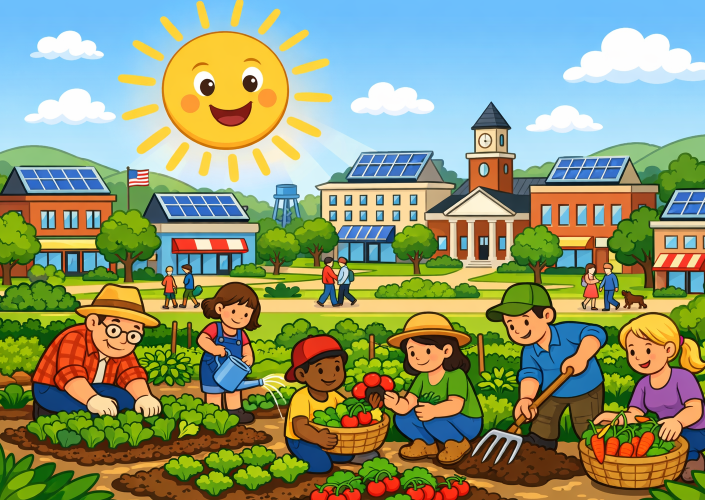
- Area 2 Farms’ Urban Agriculture Initiative:A creative project that reimagined a disused parcel into a productive, community-oriented urban farm. The initiative not only supplies local produce but also educates the public on sustainable growing practices.
- Fairfax County’s Solar Project at I-95 Landfill Complex:This landmark project converted an unused landfill into a renewable energy hub. With a 5.0-megawatt solar array, it’s the county’s largest solar installation, showcasing how innovation can convert environmental liabilities into assets.
Each of these projects serves as a model of environmental stewardship and demonstrates how strategic investments can yield both economic and social benefits.
Strategies for Sustainable Property Development
Bringing sustainable concepts from blueprint to reality requires a toolkit of proven strategies. Among the most effective approaches are:
- Energy Efficiency:New developments emphasize reduced energy use by incorporating high-performance building envelopes, LED lighting, and advanced HVAC systems. Implementing smart thermostats and energy management systems can further optimize consumption.
- Renewable Energy Integration:Embracing solar, geothermal, or wind energy decreases dependence on fossil fuels. Rooftop solar panels and onsite battery storage are becoming more common in both residential and commercial projects.
- Water Conservation:Thoughtful design integrates rainwater harvesting systems, low-flow plumbing fixtures, and drought-resistant landscaping to minimize water waste and reduce utility costs.
- Green Building Materials:The use of recycled, locally sourced, and non-toxic construction materials supports safer indoor environments and reduces overall environmental impact.
- Community Engagement:Developers involve residents early and often, hosting workshops and public meetings to ensure new projects align with neighborhood values and needs and to build community support.
Challenges and Solutions
Implementing sustainability in property development is not without barriers. Some challenges faced by Fairfax’s developers include higher upfront costs and navigating complex permitting processes associated with green technologies. Success often requires creative solutions, such as:
- Incentives and Grants:Leveraging financial incentives, federal and state grants, and sustainability certifications can help offset initial expenditures and make long-term operations more financially viable.
- Public-Private Partnerships:Collaboration between developers, local governments, and non-profits has proven instrumental in bringing ambitious projects to life. These alliances can streamline approvals and foster innovation.
- Innovative Financing:Accessing green bonds, sustainability-linked loans, and other fiscal tools can provide much-needed capital while demonstrating a commitment to responsible development.
For more information on building sustainable communities, the Environmental Protection Agency’s Smart Growth resource provides comprehensive guidance.
Future Outlook
The future of Fairfax’s property development is intertwined with sustainability and resilience. As technology evolves and community expectations rise, forthcoming projects are likely to leverage data analytics, integrated mobility solutions, and high-performance infrastructure to address both social and environmental needs. Forward-thinking policies and consistent community engagement will be vital in ensuring that Fairfax remains a leader in sustainable living and property innovation.
As Fairfax continues its journey toward smarter, greener growth, property owners, residents, and stakeholders alike have an opportunity—and a responsibility—to champion the values that make the city vibrant, healthy, and prosperous.

Denver aerospace engineer trekking in Kathmandu as a freelance science writer. Cass deciphers Mars-rover code, Himalayan spiritual art, and DIY hydroponics for tiny apartments. She brews kombucha at altitude to test flavor physics.
Leave a Reply