Finding vibrant, healthy freshwater fish that settle quickly into a home aquarium has never been easier in the UK. With trusted, family-run specialists based in London offering nationwide delivery, aquarists can enjoy hand-picked stock, expert packing, and support that helps new and seasoned keepers succeed. Whether you’re building a peaceful community tank for a city flat or curating a showpiece aquascape in a family home, the right supplier and setup choices make all the difference. From water chemistry that suits UK tap profiles to compatibility planning, this guide covers how to choose well, receive fish safely, and keep them thriving for the long term.
The modern online experience adds real advantages: curated collections of tetras, rasboras, livebearers, catfish, gouramis, rainbowfish, dwarf cichlids, and more—plus detailed care advice and swift, insulated UK delivery. Look for reputable sellers who clearly display water parameters, size at sale, adult size, temperament, and schooling needs. When these fundamentals align with your aquarium, new arrivals settle faster, colour up brilliantly, and reward you with natural behaviour from day one.
How to Choose Healthy Freshwater Fish in the UK Market
Start by clarifying your goals. A tranquil community tank calls for peaceful, schooling species such as neon tetras, harlequin rasboras, rummy-nose tetras, or ember tetras, paired with bottom-dwellers like corydoras or otocinclus. If you prefer more personality, consider dwarf gouramis, honey gouramis, kribensis, or apistogrammas. UK tap water varies by region, so match species to your chemistry: hard, alkaline water common in London and much of the South East favours livebearers (guppies, platies, mollies, endlers) and even certain African cichlids; softer water in parts of Wales, Scotland, and the North West suits many tetras and dwarf cichlids. Where local water doesn’t align, mixing RO with tap can dial in ideal conditions.
Healthy stock shows clear eyes, full bellies (but not bloated), strong swimming, intact fins, and curious, responsive behaviour. Colours may be subdued in transit, but good fish perk up quickly when rested. Transparent husbandry builds confidence: look for sellers who quarantine new imports, proactively treat for common parasites, and post real photos or videos. Compliance with UK regulations and CEFAS/Defra guidance on fish health adds an extra layer of assurance that biosecurity is taken seriously. Responsible vendors also refuse to list invasive or prohibited species and provide honest advice on adult sizes and tank footprint.
Compatibility is essential. Many schooling fish require groups of six or more to display natural behaviour and colour. Semi-aggressive or territorial species, including some cichlids and barbs, need careful stocking density, rockwork or planting for line-of-sight breaks, and a sufficiently large tank. In a 60–90 litre community, for instance, a centrepiece pair of honey gouramis alongside small shoals of rasboras and corydoras creates harmony; avoid fin-nippers with delicate long-finned fish such as angelfish or fancy guppies. For aquascapers, nano species like celestial pearl danios, chili rasboras, and pygmy corydoras fit beautifully in planted layouts.
Convenience matters too. UK hobbyists increasingly seek reliable, next-day delivery with heat packs in winter and cool packs during heatwaves. That’s exactly why many turn to trusted London-based specialists offering carefully curated freshwater fish for sale UK—combining robust packing, knowledgeable support, and responsive customer care.
Delivery, Acclimation, and Quarantine: From London to Your Tank
Quality vendors prepare livestock for transit with generous oxygen, double-bagging, and sturdy, insulated boxes. Overnight couriers deliver to most UK postcodes Tuesday to Friday, timed to minimise stress. Seasonal packaging—heat packs during cold snaps, additional liner insulation—keeps temperatures stable. On arrival day, plan ahead: lights off, lid ready, and a clean bucket or quarantine tank at hand. A smooth handover from bag to aquarium is the critical first step to long-term success.
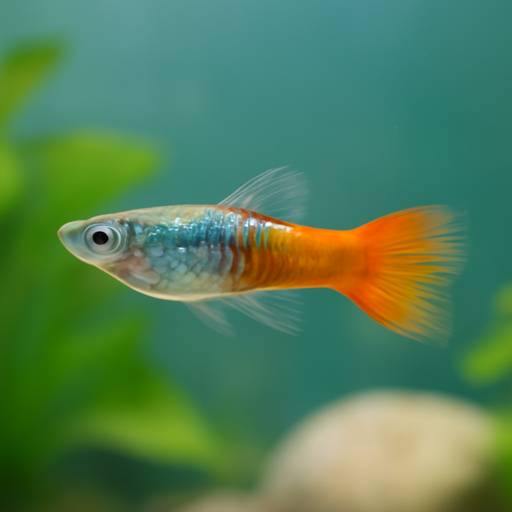
Open the outer box in a calm, dim environment, then float the sealed bags for 15–20 minutes to equalise temperature. Next, employ controlled acclimation. For hardy community species, a measured cup-by-cup method works: add a small amount of tank water to the bag or bucket every five minutes for 20–30 minutes. Sensitive species (certain dwarf cichlids, wild-caught fish, or delicate catfish) benefit from a drip acclimation, using airline tubing to deliver a slow, steady stream from the aquarium to the bucket for 45–60 minutes. Keep aeration gentle, avoid rapid pH swings, and never pour bag water into your main tank.
Quarantine is smart biosecurity—even if your supplier quarantines before shipping. A simple 20–40 litre quarantine tank with a seasoned sponge filter, heater, and hiding spots lets you observe feeding response, check for parasites or fin issues, and ensure robust health before introducing fish to a display aquarium. Two to four weeks is a common window. During this time, offer small, high-quality foods—micro-pellets, live or frozen daphnia, brine shrimp, cyclops—to restore energy from transit, while maintaining pristine water: zero ammonia, zero nitrite, and low nitrate. Stable temperature and gentle lighting encourage shy fish to resume normal behaviour.
If temperature extremes or missed deliveries worry you, choose sellers with clear live-arrival and aftercare policies. Many reputable UK specialists ask for quick notification and photos should a problem occur, so they can put things right and improve packing routes if needed. A well-run, London-based dispatch hub with flexible packing times helps navigate unpredictable weather and traffic, ensuring fish arrive fresh and ready to thrive.
Stocking, Water, and Compatibility for UK Homes
Success with aquarium fish in the UK starts with the nitrogen cycle. Cycle the tank fully before adding livestock: a matured biofilter keeps ammonia and nitrite at zero and holds nitrate in check. When adding your first fish, stock gradually to let bacteria populations scale up. Test regularly with a reliable liquid kit, and perform partial water changes weekly. Consistency is your ally—steady parameters prevent stress, which is the root of many health issues.
Match species to water chemistry. In hard, alkaline regions like much of London and the Home Counties, livebearers shine: guppies, mollies, platies, and swordtails show their best colours and fin extensions; rainbowfish and many shrimp varieties also flourish. For soft, slightly acidic water typical in parts of Scotland and Wales, cardinal tetras, rummynose tetras, pencilfish, and apistogramma dwarf cichlids display unparalleled vibrancy. If your tap water isn’t ideal, blend RO water with tap to hit target GH, KH, and pH—then keep it consistent with each change. Stability wins over chasing perfect numbers.
Think in layers. Midwater shoalers like rasboras create motion; surface-orientated gouramis or hatchetfish add interest above; bottom-dwellers such as corydoras, kuhli loaches, and bristlenose plecos keep the lower tier lively. Provide structure: planted zones, wood, and rock create territories and sight breaks that reduce squabbles. For a 60-litre London flat, a practical community might be eight ember tetras, six pygmy corydoras, and a pair of honey gouramis, with hardy plants (crypts, java fern, anubias) on wood and stone. In a larger 180-litre living room tank, consider a centrepiece of angelfish or a shoal of boesemani rainbowfish, supported by robust corydoras and a dynamic group of larger rasboras or barbs (choose non-nippy varieties).
Feeding and maintenance seal the deal. Offer a varied diet: high-quality micro to medium pellets, frozen fare (bloodworm, daphnia, mysis), and occasional live foods build colour and condition. Supplement with vegetable matter for mollies, plecos, and some barbs. Keep lighting and CO2 (if used for plants) tuned so fish aren’t stressed by excessive current or glare. During London winters, ensure heaters can maintain a steady 24–26°C for tropical species; in summer heatwaves, gentle surface agitation and fans help hold oxygen levels. Routine water changes, filter upkeep, and observation—especially in the first two weeks after new arrivals—protect your investment and keep communities harmonious.
Real-world example: a family in North London wanted a peaceful, child-friendly display. Starting with cycled media from a seasoned sponge filter, they introduced a small shoal of harlequin rasboras, waited a week, then added a group of panda corydoras. After stable tests, a pair of honey gouramis completed the community. With stable hard water, weekly 30% changes, and a mixed diet, the fish coloured up within days and began displaying natural shoaling and courtship behaviours—proof that the right stock, careful acclimation, and consistent husbandry create a thriving, low-stress aquarium in a typical UK home.

Denver aerospace engineer trekking in Kathmandu as a freelance science writer. Cass deciphers Mars-rover code, Himalayan spiritual art, and DIY hydroponics for tiny apartments. She brews kombucha at altitude to test flavor physics.
Leave a Reply